Roof System Types in Los Angeles, CA
Expert Roof System Types in Los Angeles, CA — Storm-Tested, Warranty-Backed
Explore all roof system types in Los Angeles, CA with BlueHaven Roofing. Expert installation, replacement & inspection. Call (323) 831-7787 for a free estimate.
- Licensed & Insured
- Locally Owned & Operated
- Free Inspection & Estimate
Request Your
Free EstimateUnderstanding the different roof system types available in Los Angeles, CA is the first step toward making a smart, long-lasting investment in your property. A roof system is more than just shingles or tiles — it encompasses the entire assembly of materials, structural layers, insulation, ventilation, and waterproofing components that work together to protect your building from the elements.
In Los Angeles, local factors like intense UV radiation, seasonal Santa Ana winds, occasional heavy rainfall, and the region's seismic activity all influence which roof systems perform best. Whether you own a 1920s Craftsman bungalow in Pasadena, a mid-century modern home in Silver Lake, or a commercial warehouse in the San Fernando Valley, the right roof system makes all the difference.
At BlueHaven Roofing Repair Service LA, we specialize in evaluating, installing, repairing, and maintaining every major roof system type in use across Los Angeles County. Call us today at (323) 831-7787 to speak with a local roofing expert.
Understanding Roof System Types in Los Angeles
A roof system is defined by the combination of roofing materials, deck substrate, underlayment, insulation, drainage solutions, and protective coatings that collectively form the weatherproof envelope of a structure. In the roofing industry, systems are generally categorized by slope — steep-slope systems (pitched roofs) and low-slope or flat roofing systems — as well as by primary material type.
Los Angeles has a uniquely diverse architectural landscape shaped by over 150 years of development. The city's housing stock includes Victorian-era homes built in the late 1800s in neighborhoods like Angelino Heights, Spanish Colonial Revival structures from the 1920s and 1930s abundant in Los Feliz and Hancock Park, post-war ranch homes throughout the San Fernando Valley, and contemporary mixed-use buildings rising across Downtown LA and Koreatown. Each architectural style and era corresponds to specific roofing systems and materials.
Historically, Southern California's mild Mediterranean climate made clay and concrete tile roofing the dominant choice, and it remains so today. However, urbanization, evolving building codes (particularly after the 1994 Northridge Earthquake), energy efficiency mandates under California Title 24, and the rising popularity of cool-roof technologies have dramatically expanded the range of systems installed across the region.
The major roof system types used in Los Angeles include:
- Clay and Concrete Tile: The classic Southern California choice, highly durable in UV-intense environments.
- Asphalt Shingles: A cost-effective option widely used in residential applications throughout the Valley and South LA.
- Flat / Built-Up Roofing (BUR): Standard on commercial buildings and many mid-century residential properties.
- TPO and EPDM Membrane Systems: Modern low-slope solutions common on commercial and apartment buildings.
- Metal Roofing: Growing in popularity for fire resistance and longevity in high fire-risk zones like the hills of Bel Air and Tujunga.
- Modified Bitumen: A hybrid system popular on low-slope residential and light commercial properties.
- Wood Shake: Historically used in older hillside homes, now restricted under LA fire codes in many zones.
Understanding which system best fits your specific building type, location, and budget is the foundation of every roofing project we undertake at BlueHaven Roofing Repair Service LA. Learn more about our roof installation services
Why Choosing the Right Roof System Type Is Critical in Los Angeles, CA
Los Angeles Climate Demands
Los Angeles sits within a semi-arid Mediterranean climate zone (Köppen classification BSk/Csa), characterized by hot, dry summers with average highs reaching 92–95°F in the San Fernando Valley and long stretches of UV Index ratings of 10 or above from May through September. This intense solar radiation degrades asphalt-based materials roughly 30–40% faster than in northern states, making material selection critical.
Santa Ana Wind Events
The Santa Ana winds, which typically occur from October through March and can gust to 60–80 mph in mountain passes and foothill communities like Sylmar, Sunland-Tujunga, and Altadena, place enormous mechanical stress on roofing systems. During the January 2025 wildfire event that devastated parts of Pacific Palisades and Altadena, wind-driven embers exposed the vulnerability of older wood shake and degraded asphalt shingle systems. Properly rated Class A fire-resistant systems — including concrete tile, metal, and certain TPO membranes — are not just preferred in these areas; they are often required by local ordinance.
Seasonal Rainfall and Water Intrusion
While LA averages only 14–15 inches of annual rainfall, that precipitation often arrives in concentrated atmospheric river events. The 2023 atmospheric river series that struck Los Angeles between December 2022 and March 2023 dropped over 20 inches of rain in some hillside neighborhoods within a few months — more than the annual average. Flat or improperly drained roofs on properties in Studio City, Echo Park, and Silver Lake experienced widespread water pooling and membrane failures during this period. The right roof system with proper drainage slope (minimum ¼ inch per foot on flat systems) is essential.
Seismic Considerations
Los Angeles sits atop multiple active fault systems, including the Puente Hills Fault and the Hollywood Fault. The 1994 Northridge Earthquake (magnitude 6.7) caused widespread structural damage, including roof deck separations in the San Fernando Valley. Post-Northridge building codes now require seismically resilient roof-to-wall connections. Heavier roofing systems like clay tile must be installed with compliant hurricane straps and fastening patterns — something our crews are trained and equipped to handle.
Wildfire Interface Zones
Approximately 30% of Los Angeles County falls within Very High Fire Hazard Severity Zones (VHFHSZ), as mapped by CAL FIRE. Neighborhoods like Bel Air, Topanga, Mount Washington, and La Crescenta require roofing systems rated Class A for fire resistance. The wrong system in these zones can void your homeowner's insurance and put your property at extreme risk.
Energy Codes and Title 24
California's Title 24 energy standards require cool roof compliance on most new and re-roofed commercial buildings and many residential reroof projects. Systems must meet specified Solar Reflectance Index (SRI) values — generally SRI ≥ 78 for low-slope commercial. This has driven significant adoption of white TPO membranes, reflective metal panels, and cool-coat tile coatings across Los Angeles County.
Signs You Need Roof System Evaluation or Replacement in Los Angeles
Structural Warning Signs
- Visible sagging or dips in the roofline, particularly after heavy rainfall events
- Cracked or displaced roof decking visible from the attic
- Rafter or truss damage, often visible as dark water staining on attic wood
Material Deterioration Signs
- Cracked, curling, or missing clay/concrete tiles — common after Santa Ana wind events
- Granule loss in asphalt shingles, visible in gutters or on the ground below downspouts
- Blistering, bubbling, or alligatoring on flat roof membranes after summer heat cycles
- Rust staining on metal components or exposed fasteners on older metal roofs
- Moss or lichen growth (especially on north-facing slopes in hillside communities)
Interior Symptoms
- Water stains on ceilings or walls following rain events
- Mold or mildew odors in the attic space
- Unusual spikes in energy bills (indicating failed insulation within the roof system)
Urgency Indicators
If you are experiencing active water intrusion, visible structural sagging, or your roof sustained damage during a recent wildfire ember event or wind storm, treat this as an emergency situation. Contact BlueHaven Roofing Repair Service LA immediately at (323) 831-7787 for emergency roofing services. Learn about our emergency roofing response
Our Roof System Evaluation and Installation Process in Los Angeles
Initial Consultation and Site Assessment (Day 1)
We begin with a thorough phone consultation to understand your property type, location, current roofing issues, and goals. We then schedule an on-site inspection at your convenience, typically within 24–48 hours.
Comprehensive Roof Inspection (Day 1–2)
Our certified inspector examines all components of your existing roof system — decking, underlayment, flashing, drainage, ventilation, and surface materials. In Los Angeles, we pay particular attention to fire rating compliance in VHFHSZ zones, Title 24 cool-roof requirements, and seismic fastening adequacy per current LA Building Code standards. Learn about our detailed roof inspection services
System Recommendation and Detailed Proposal (Days 2–5)
Based on inspection findings, your building's specific architecture, neighborhood fire zone designation, and budget, we provide a written proposal outlining recommended roof system types, material options with comparative lifespans and costs, and a project timeline.
Permitting and HOA Coordination (Days 5–15)
Most roofing replacements in Los Angeles require a permit through the Los Angeles Department of Building and Safety (LADBS). We handle the permit application process on your behalf. For properties in HOA communities — common in areas like Porter Ranch, Playa Vista, and West Hollywood — we also coordinate material approvals with HOA architectural committees.
Material Procurement and Scheduling (Days 10–20)
We source materials from regional distributors, ensuring availability of code-compliant and manufacturer-certified products. Scheduling accounts for LA weather windows — we avoid scheduling flat roof membrane work during forecast rain periods and plan steep-slope work around extreme heat warnings that frequently occur June through September.
Installation (Days 1–5 of Project, Varies by Size)
Our installation crews follow manufacturer specifications precisely to preserve warranty coverage. All work is inspected daily by our project lead. Special seismic tie-down requirements per the 2022 Los Angeles Building Code are followed meticulously for tile systems.
Final Inspection and Walkthrough (Final Day)
Upon completion, we conduct a full post-installation inspection, clear all debris, and walk the property with you. We provide all documentation including permit sign-off, manufacturer warranty registration, and maintenance recommendations.
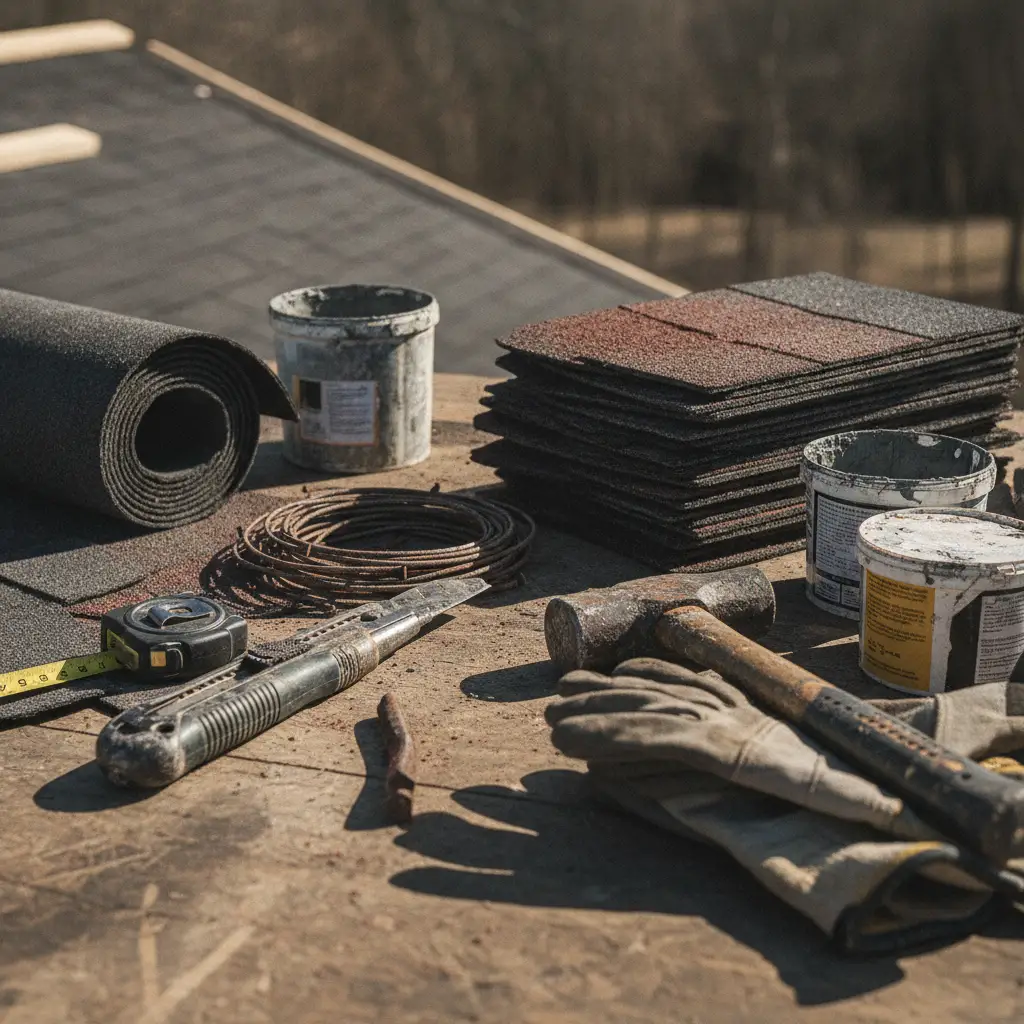
Our team in action — roof-repair professionals serving Los Angeles
Roof System Methods and Approaches We Use in Los Angeles
1. Full Tear-Off and Replacement
The most thorough approach, involving complete removal of the existing roofing system down to the deck, inspection and repair of the substrate, and installation of a new system. Recommended when the existing system has exceeded its lifespan, sustained widespread damage, or is incompatible with current LA fire codes. This is the standard approach for older wood shake roofs being converted to compliant systems in hillside fire zones.
2. Recover / Overlay Systems
Installing a new roofing layer over an existing system — permissible under the California Building Code when the existing deck is structurally sound and no more than one existing layer is present. Common on flat commercial roofs in Mid-Wilshire and Downtown LA where tear-off is operationally disruptive.
3. TPO and EPDM Membrane Systems for Low-Slope Applications
Thermoplastic Polyolefin (TPO) and Ethylene Propylene Diene Monomer (EPDM) membranes are the modern standard for flat roofing. White TPO meets Title 24 cool-roof requirements and is widely specified on new commercial construction across Los Angeles County. We use fully adhered, mechanically fastened, or ballasted installation methods depending on wind uplift requirements by zone.
4. Tile System Installation with Seismic Upgrades
Clay and concrete tile installation in Los Angeles requires hurricane clips or equivalent seismic strapping at eaves and rakes per ASCE 7-22 wind and seismic standards. Our crews are trained in the California Tile Institute's installation standards for high-wind zones, critical in neighborhoods from Malibu to Eagle Rock.
5. Cool Roof Coating Applications
For existing roof systems that are structurally sound but thermally inefficient, elastomeric cool-roof coatings can be applied to extend system life and achieve Title 24 compliance. This approach is cost-effective for commercial flat roofs throughout the LA basin. Explore our roof maintenance and coating services
Ready for Roof System Types? Get Your Free Estimate Today.
BlueHaven Roofing Repair Service LA serves Los Angeles and the surrounding area — we'll be on-site within 24 hours.
📞 Call (323) 831-7787Roof System Types Cost in Los Angeles, CA
Roofing costs in Los Angeles are consistently 15–25% higher than national averages due to elevated labor costs, strict permitting requirements, and premium material demands driven by fire and seismic codes. Below are typical installed cost ranges per square (100 sq ft) in the Los Angeles market as of 2024–2025:
- Asphalt Shingles (3-tab): $400–$600 per square installed
- Architectural / Dimensional Shingles: $550–$800 per square installed
- Concrete Tile: $800–$1,200 per square installed
- Clay Tile: $1,000–$1,800 per square installed
- TPO Membrane (commercial flat): $600–$1,000 per square installed
- EPDM Membrane: $500–$900 per square installed
- Standing Seam Metal: $1,200–$2,000 per square installed
- Modified Bitumen (flat residential): $400–$700 per square installed
Key Cost Factors in Los Angeles
- Permitting fees: LADBS roofing permits typically range from $300–$1,500 depending on project valuation.
- Steep slope surcharges: Hillside properties in areas like Mount Washington or Laurel Canyon may add 20–35% to labor costs.
- Tear-off and disposal: Add $50–$150 per square for old system removal.
- Seismic upgrades: Hurricane clip installation can add $500–$2,000 depending on roof size.
- Fire-rated underlayment upgrades: Required in VHFHSZ areas, adding $0.50–$1.50 per sq ft.
Contact BlueHaven Roofing Repair Service LA at (323) 831-7787 for a free, detailed estimate tailored to your specific property and roof system. Explore roof replacement cost details
Roof System Services Across Los Angeles Neighborhoods
Silver Lake and Echo Park
These hillside neighborhoods feature a dense mix of 1920s–1940s bungalows and post-war hillside homes, many with low-slope or multi-pitch rooflines. We frequently address aging modified bitumen flat roofs and deteriorated composition shingle systems on these properties, with particular attention to proper drainage on irregular lot grades.
San Fernando Valley (Encino, Sherman Oaks, Northridge)
The Valley's large stock of 1950s–1970s ranch-style homes predominantly uses concrete tile or three-tab asphalt shingles. Post-Northridge structural requirements and extreme summer heat (Valley temps regularly exceed 105°F) make cool-roof-compliant systems a top priority here.
Bel Air and Brentwood
Located within designated Very High Fire Hazard Severity Zones, these affluent hillside communities require Class A fire-rated roof systems by Los Angeles Municipal Code. We specialize in premium clay tile installations and standing seam metal roofing compliant with LA's fire safe roofing ordinance.
Downtown LA and Mid-Wilshire (Commercial)
The dense commercial and mixed-use building stock in these areas relies heavily on TPO and BUR flat roofing systems. We service office towers, retail buildings, and apartment complexes with full membrane replacement, re-coating, and drain maintenance programs. Learn about our commercial roofing services
Hancock Park and Larchmont Village
This historic district contains some of LA's most intact 1920s–1930s Spanish Colonial Revival and Period Revival architecture, with original clay tile roofs requiring careful restoration, matched tile replacement, and updated underlayment without compromising historic character.
Roof System Maintenance Tips for Los Angeles Property Owners
- Bi-Annual Inspections: Schedule professional inspections every spring (after winter rains) and fall (before Santa Ana wind season) to catch damage early.
- Clear Gutters and Drains: LA's sycamore, palm frond, and eucalyptus debris can clog gutters rapidly. Clean gutters at least twice per year to prevent water backup under tile or shingles.
- Trim Overhanging Vegetation: In fire-prone hillside zones, maintain at least 10 feet of clearance between tree branches and your roof surface — required under LA's Defensible Space ordinance.
- Check Flashing After Earthquakes: Even minor seismic events can loosen flashing at chimneys, skylights, and vents. Inspect after any felt earthquake above magnitude 3.5.
- Monitor Flat Roof Drainage After Rain: Standing water on flat roofs should drain within 48 hours. Persistent ponding indicates drain blockage or insufficient slope — address promptly.
- Apply Elastomeric Coating Every 5–7 Years: For flat roofs, reflective elastomeric coatings extend membrane life and maintain Title 24 cool-roof compliance.
- Inspect for Ember Intrusion After Wind Events: After Santa Ana events, inspect attic vents and eave gaps where embers can lodge — a critical fire prevention measure in VHFHSZ neighborhoods.
- Document Roof Condition Annually: Photograph your roof each year for insurance documentation purposes — particularly valuable in wildfire-prone areas with active insurance market volatility.
Why Choose BlueHaven Roofing Repair Service LA
BlueHaven Roofing Repair Service LA is a locally based roofing company with deep roots in the Los Angeles community. We understand the specific building types, fire zone requirements, seismic standards, and climate demands that make roofing in Los Angeles fundamentally different from roofing anywhere else in the country.
Our team is trained and experienced across all major roof system types — from historic clay tile restoration in Hancock Park to commercial TPO installation in the Arts District. We stay current with LADBS code updates, California Title 24 revisions, and CAL FIRE defensible space requirements so your project is fully compliant from day one.
We provide transparent, itemized estimates with no hidden fees, clear communication throughout every project phase, and dedicated post-installation support. Our emergency roofing team is available for rapid response to storm damage, wind damage, and active leaks across Los Angeles County.
Ready to protect your property with the right roof system? Call BlueHaven Roofing Repair Service LA at (323) 831-7787 today. Request your free roof inspection and estimate
Frequently Asked Questions: Roof System Types in Los Angeles, CA
Q: What is the best roof system type for a home in Los Angeles?
A: The best roof system depends on your home's architecture, location, and fire zone designation. Concrete or clay tile is the most common and durable choice for Southern California's climate, offering excellent UV resistance and a 40–50+ year lifespan. For homes in Very High Fire Hazard Severity Zones, Class A-rated tile or standing seam metal is strongly recommended. For flat-roof homes, TPO or modified bitumen systems are the modern standard.
Q: How much does a full roof replacement cost in Los Angeles?
A: A typical residential roof replacement in Los Angeles ranges from $12,000 to $40,000+, depending on the roof size, system type, slope complexity, and permit fees. Concrete tile replacements on a 2,000 sq ft home commonly run $18,000–$28,000 installed. Asphalt shingle replacements on comparable homes typically range $10,000–$16,000. We provide detailed, itemized estimates so you understand exactly what you are paying for.
Q: Do I need a permit for roof replacement in Los Angeles?
A: Yes. The Los Angeles Department of Building and Safety (LADBS) requires permits for most roofing replacement projects. Permits ensure the work meets current seismic, fire, and energy code requirements. BlueHaven handles the permit application and inspection coordination as part of our standard project process.
Q: How long does a roof replacement take in Los Angeles?
A: Most residential roof replacements take 2–5 days of active installation, depending on system type and roof size. Clay tile installations take longer than shingle work. Including permitting, scheduling, and material lead time, the full process from contract signing to project completion typically takes 3–6 weeks. We work to minimize disruption to your daily schedule throughout.
Q: Are wood shake roofs still allowed in Los Angeles?
A: Wood shake roofs are heavily restricted in Los Angeles. They are prohibited in all Very High Fire Hazard Severity Zones and in many areas designated as Fire Hazard Severity Zones (FHSZ) under the Los Angeles Municipal Code. If you have an existing wood shake roof in a restricted area, you must replace it with a Class A fire-rated system when re-roofing. We help homeowners identify compliant replacement systems that match the aesthetic character of their home.
Q: What is a cool roof and do I need one in Los Angeles?
A: A cool roof uses materials with high solar reflectance and thermal emittance to reduce heat absorption. Under California's Title 24 energy code, cool-roof compliance is required for most commercial re-roofing projects and certain residential applications in Los Angeles. Even where not mandated, cool roofing is highly beneficial in the LA climate — it can reduce attic temperatures by 20–30°F and cut cooling energy costs by 15–20% during summer months.
Q: How often should I have my roof inspected in Los Angeles?
A: We recommend professional inspections at minimum twice per year — once in late spring after the winter rain season, and once in early fall before Santa Ana wind and wildfire season begins. Additional inspections are warranted after any significant seismic event (3.5 magnitude or above), major windstorm, or nearby wildfire event that may have deposited embers on or around the roof.
Q: Can BlueHaven Roofing work on commercial buildings in Los Angeles?
A: Absolutely. We provide full commercial roofing services including TPO membrane installation and replacement, EPDM systems, built-up roofing (BUR), modified bitumen, cool-roof coating programs, and preventative maintenance contracts for commercial and apartment buildings throughout Los Angeles County. Learn more about our commercial roofing services
Get Expert Roof System Guidance in Los Angeles Today
Your roof is your property's first line of defense against Los Angeles's intense sun, seasonal rainstorms, Santa Ana winds, and wildfire risk. Choosing the right roof system — and having it installed correctly to meet LA's unique building and fire codes — is one of the most important decisions you can make as a property owner.
BlueHaven Roofing Repair Service LA is ready to help you evaluate your current system, explore your options, and execute a roofing project that protects your home or business for decades to come. We serve all neighborhoods across Los Angeles County.
Call us now at (323) 831-7787 to schedule your free roof inspection and system consultation. Don't wait for the next storm season — protect your property today.
Request a Free Estimate Online | Schedule a Roof Inspection